What You Need to Know before Installing a Borewell Submersible Pump System?
Before delving into the process of installing a borewell submersible pump system, it is crucial to understand the intricacies and requirements associated with this essential equipment. Proper installation and maintenance of a borewell submersible pump system can provide a reliable and sustainable water supply for domestic and agricultural purposes. However, lack of knowledge and carelessness during installation can lead to costly repairs, water contamination, and even accidents. In this blog post, we will discuss the key factors to consider before installing a borewell submersible pump system to ensure efficient and safe operation for years to come.
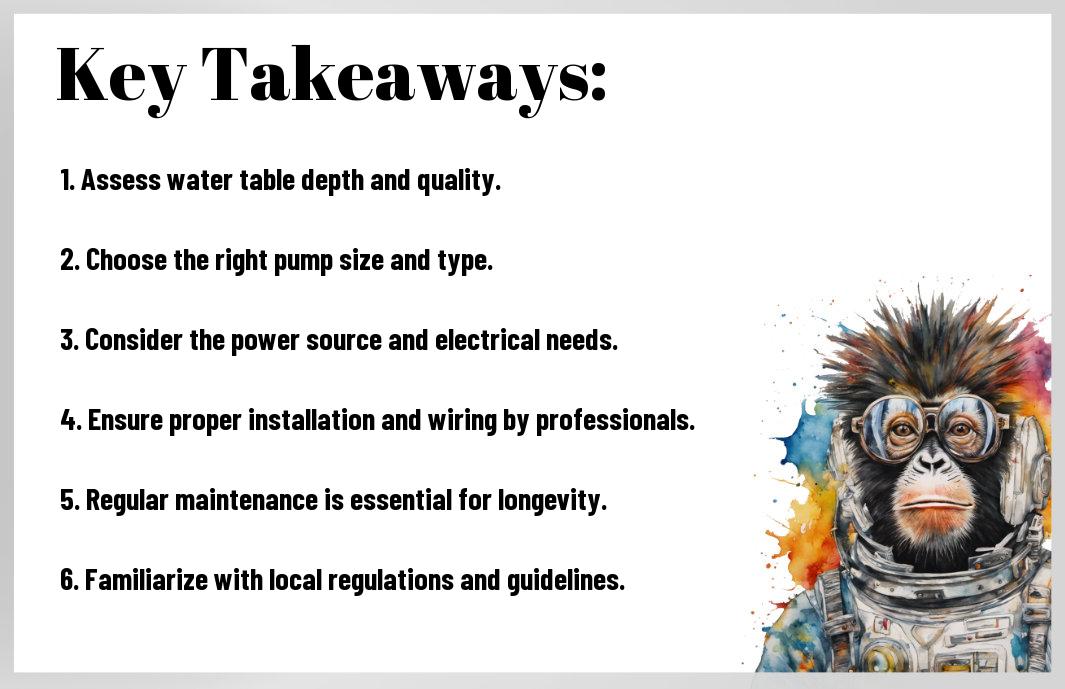
Key Takeaways:
- Water Quality: Before installing a borewell submersible pump system, it’s crucial to test the water quality to ensure it’s safe for consumption and suitable for the pump.
- Depth and Diameter of Borewell: Understanding the depth and diameter of the borewell is essential to select the right size and capacity of the submersible pump for efficient water extraction.
- Power Supply and Control System: Adequate power supply and a reliable control system are necessary for the smooth operation of the submersible pump. It’s important to assess the electrical requirements and have a sturdy control system in place before installation.
[zynith-toc]
Understanding Borewells
If you are considering installing a borewell submersible pump system, it is crucial to have a good understanding of borewells. Borewells are narrow, deep wells drilled into the ground to access groundwater for various purposes such as irrigation, drinking water, and industrial use. They are an essential source of water in many regions, especially in areas where surface water is scarce or inaccessible.
Basics of Borewell Construction
Borewells are typically constructed using drilling equipment that can penetrate through soil, rock, and other subsurface materials. The construction process involves drilling a hole into the ground and lining it with casing to prevent collapse. The depth of the borewell is determined based on the water table and the intended use of the water. It is important to understand the local geology and hydrogeology before drilling a borewell to ensure successful water extraction.
Borewell Siting and Depth Considerations
With borewell siting and depth considerations, it is crucial to identify the ideal location for drilling based on geological surveys, topographic maps, and hydrogeological studies. The depth of the borewell is determined by the depth of the water table, which can vary depending on the seasons and local hydrological conditions. It is important to consider the recharge area, aquifer characteristics, and potential contamination sources when siting a borewell for optimal water quality and quantity.
Siting a borewell in an area with high groundwater potential and minimal contamination risks can ensure a sustainable and reliable source of water for your submersible pump system. By considering these factors, you can avoid potential issues such as low water yield, water quality problems, and equipment damage.
Submersible Pump Fundamentals
Now, let’s delve into the fundamentals of submersible pumps. These pumps are specially designed to be submerged in water, allowing them to push water to the surface. They are commonly used for various applications such as irrigation, drainage, sewage pumping, and more. Understanding the different types and power requirements of submersible pumps is crucial for a successful installation.
Types of Submersible Pumps
Submersible pumps come in various types, including diaphragm, centrifugal, and mixed-flow pumps. Each type is suited for different applications and has its own unique features. The diaphragm pump is ideal for small-scale irrigation and domestic water supply, while the centrifugal pump is suitable for large irrigation systems and industrial applications. On the other hand, the mixed-flow pump is designed for high flow and low head applications, such as stormwater drainage and flood control. This information is important to consider when choosing the right submersible pump for your specific needs.
| Diaphragm Pump | Small-scale irrigation and domestic water supply |
| Centrifugal Pump | Large irrigation systems and industrial applications |
| Mixed-flow Pump | High flow and low head applications, such as stormwater drainage and flood control |
This knowledge is especially crucial for ensuring the longevity and effectiveness of the submersible pump system. It is important to select the right type of pump that aligns with your specific requirements.
Power and Capacity Requirements
Types of submersible pumps vary in their power and capacity requirements. The power requirement is directly related to the size, flow rate, and head of the pump. It is important to accurately calculate the power and capacity needs of the pump to ensure optimal performance. This information is essential for selecting the right submersible pump that can handle the intended water volume and pressure.
Power and capacity are critical considerations in determining the appropriate submersible pump for your application. The pump must have the necessary power to push water to the desired height and capacity to meet the required flow rate. Properly matching these requirements will lead to efficient pump operation and reliable water supply.
Installation Guidelines
Not sure how to install a borewell submersible pump system? Follow these installation guidelines for a successful set-up.
Pre-Installation Planning
One of the most crucial steps in the installation process is proper pre-installation planning. Before beginning the installation, it is important to assess the water table, borewell depth, and the required pump capacity. Additionally, the quality of the water and the type of submersible pump system required should be considered. Inadequate planning can lead to inefficient pumping, system failure, and costly repairs.
Step-by-Step Installation Process
For a smooth installation process, it is essential to follow a step-by-step approach. Here is a breakdown of the installation process:
| Step | Description |
| 1 | Locate the borewell and clear the surroundings to ensure ease of access |
| 2 | Lower the submersible pump system into the borewell and secure it in place |
It is crucial to handle the submersible pump system with care during installation to prevent damage to the components and ensure proper functioning.
Maintenance and Troubleshooting
Keep your borewell submersible pump system in top condition with regular maintenance and effective troubleshooting to ensure uninterrupted water supply.
Routine Maintenance Tips
When it comes to routine maintenance of your borewell submersible pump system, there are a few key tasks to keep in mind. Firstly, regularly clean the pump and the surrounding area to prevent the buildup of debris that could potentially cause clogging. Secondly, check the motor and wiring for any signs of wear and tear or damage, and make sure all connections are secure. Thirdly, monitor the water levels in the borewell to prevent the pump from running dry, which can lead to overheating and premature failure. Lastly, schedule regular inspections by a professional to detect any potential issues early on.
- Clean pump and surrounding area
- Check motor and wiring for wear and tear
- Monitor water levels in the borewell
- Schedule regular inspections
This proactive approach to routine maintenance can help prolong the lifespan of your borewell submersible pump system and minimize the risk of unexpected breakdowns.
Dealing with Common Issues
The key to effective troubleshooting lies in being able to identify and address common issues that may arise with your borewell submersible pump system. These can include problems such as reduced water flow, motor overheating, pump cavitation, and electrical malfunctions. By understanding the potential causes of these issues and knowing how to take corrective action, you can prevent major disruptions to your water supply and avoid costly repairs.
To address reduced water flow, check for clogged pipes or a failing pump and clean or replace as necessary. For motor overheating, ensure proper ventilation and adequate cooling. Pump cavitation can be resolved by adjusting the pump speed or depth, while electrical malfunctions may require professional intervention to diagnose and repair.
What You Need to Know before Installing a Borewell Submersible Pump System
Following this guide will ensure that you are well-informed before installing a borewell submersible pump system. Understanding the depth and diameter of the borewell, the flow rate required, and the power supply available are crucial factors to consider. Additionally, knowing the quality of the water and any potential contaminants will help in selecting the right type of pump and materials for your system. Proper installation and regular maintenance are also essential for the efficient functioning of the pump system. By being well-prepared and knowledgeable about these factors, you can ensure the successful installation and operation of your borewell submersible pump system.
FAQ About Installing a Borewell Submersible Pump System
Q: What factors should I consider before installing a borewell submersible pump system?
A: Before installing a borewell submersible pump system, you should consider the depth of the borewell, the water yield, the power supply, and the quality of the water. It’s important to ensure that the pump system is suitable for the specific conditions of your borewell.
Q: How do I determine the appropriate size and capacity of the submersible pump system?
A: The size and capacity of the submersible pump system should be determined based on the depth of the borewell, the water level, and the required flow rate. It’s important to consult with a professional to accurately size the pump system for your specific needs.
Q: What are the installation requirements for a borewell submersible pump system?
A: The installation of a borewell submersible pump system requires proper electrical connections, a secure anchoring system for the pump, and adequate piping for water distribution. It’s essential to follow the manufacturer’s guidelines and local regulations for installation.
Q: What maintenance is required for a borewell submersible pump system?
A: Regular maintenance of the borewell submersible pump system includes checking for motor damage, inspecting the pump for debris, and monitoring the water level in the borewell. It’s important to schedule routine maintenance to ensure the continued efficiency and longevity of the system.
Q: What are the common issues and troubleshooting tips for borewell submersible pump systems?
A: Common issues with borewell submersible pump systems include motor failure, low water yield, and pipe blockages. Troubleshooting tips include checking for power supply issues, adjusting the pump settings, and clearing any obstructions in the pipes. It’s advisable to seek professional assistance for complex issues.