How to Troubleshoot Common Issues with Borewell Pumps
Greetings, esteemed readers. Dealing with common issues related to borewell pumps can be a challenging task. However, with the right knowledge and tools, troubleshooting these problems can be made easier. In this comprehensive guide, we will discuss the most prevalent issues that arise with borewell pumps and provide you with expert solutions to effectively tackle these concerns. From low water pressure to motor malfunctions, we will address the most crucial matters that need immediate attention to ensure the smooth operation of your borewell pump system. So, roll up your sleeves and let’s get to the bottom of these pesky problems together.
Key Takeaways:
- Regular maintenance is essential: It is important to have regular inspections and maintenance of borewell pumps to prevent common issues such as clogging, motor damage, and decreased water output.
- Proper installation and wiring are critical: Ensuring the borewell pump is installed correctly and the wiring is properly done can prevent issues with motor function and power supply.
- Understanding the symptoms of common problems: Being able to recognize the symptoms of common issues such as low water pressure, strange noises, and frequent motor cycling can help in troubleshooting and resolving problems quickly.

Understanding Borewell Pump Mechanics
Now, let’s delve into the mechanics of borewell pumps. Understanding how these pumps work is crucial for troubleshooting common issues effectively.
Basic Components and Their Functions
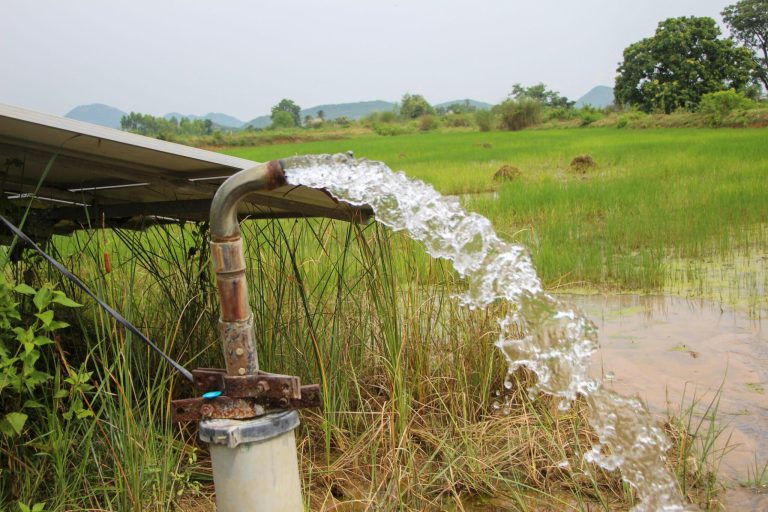
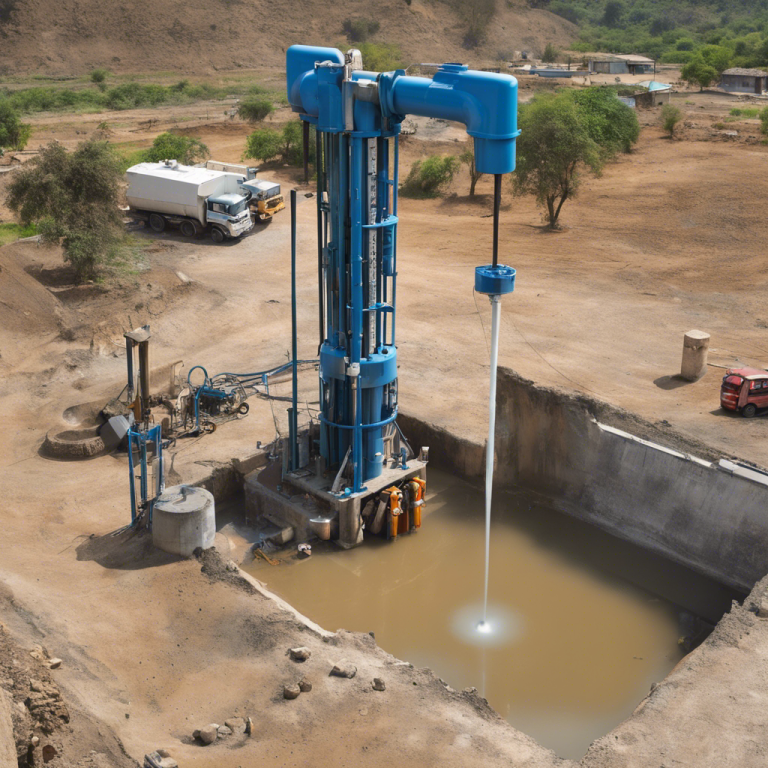
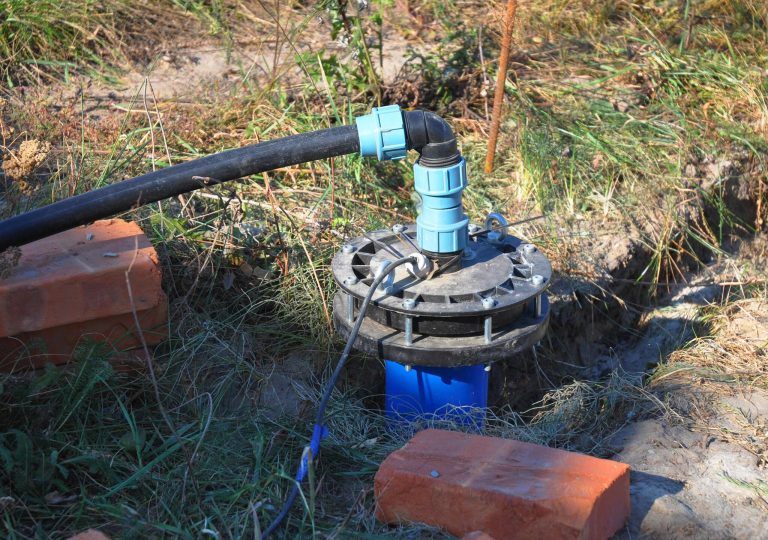
The borewell pump consists of several key components, each with its own specific function. The motor drives the impeller, creating the necessary suction force to draw water from the borewell. The impeller is responsible for generating the centrifugal force required to push the water up to the surface. Additionally, the pipe carries the water from the borewell to the surface, while the check valve prevents backflow and maintains pressure.
Key Factors Affecting Pump Performance
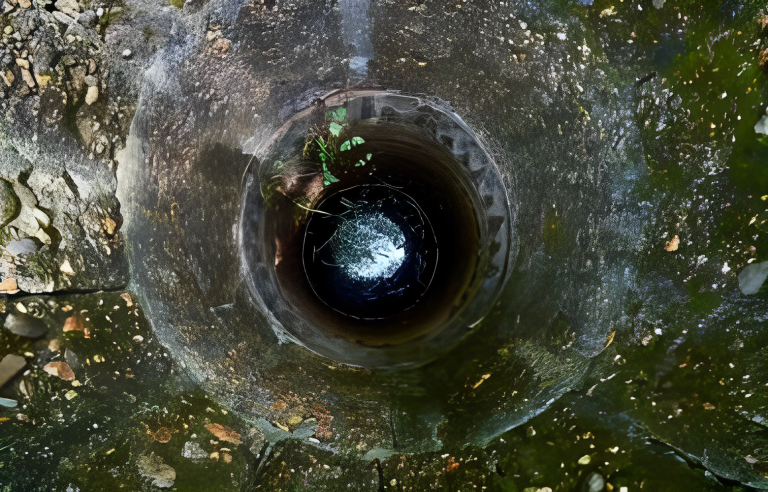
Components such as the pump size, depth of the borewell, and quality of the water can significantly impact the performance of a borewell pump. The level of the water table and the presence of sediment or debris in the borewell can also affect the pump’s efficiency. Proper maintenance and regular cleaning of the pump and borewell are essential to ensure optimal performance. Though, it’s also important to consider the environmental conditions and electrical supply for the smooth operation of the pump.
To ensure the longevity and efficiency of your borewell pump, it is crucial to pay attention to the pump size, water table level, and regular maintenance. Ignoring these factors can lead to costly repairs and inefficient water supply. Monitoring the quality of water and keeping the borewell clean is also key to maintaining the performance of the pump. Thorough knowledge and regular inspections are vital for preventing common issues with borewell pumps.
How-To Identify Borewell Pump Problems
Your borewell pump is a vital component of your water supply system. Therefore, it is crucial to be able to identify any potential problems that may arise with it. This chapter will provide you with the necessary techniques to recognize and diagnose issues with your borewell pump, ensuring that you can quickly address any issues that may arise.
Recognizing Early Warning Signs
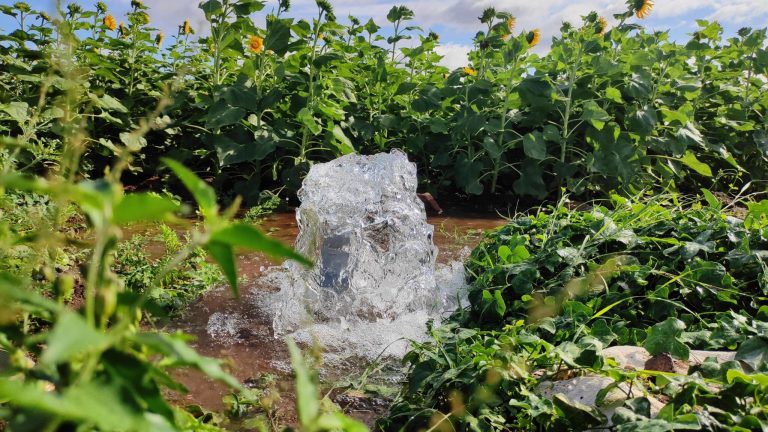
Recognizing early warning signs of borewell pump problems is crucial for preventing more significant issues down the line. Look out for fluctuating water pressure, strange noises, and spurting water when the pump is running. These early warning signs can indicate potential issues with the pump that require attention.
Additionally, be attentive to discolored or murky water, sudden spikes in your electricity bill, and visible physical damage on the pump or its components.
Tips for Basic Issue Diagnosis
Basic issue diagnosis can help you identify and address common problems with your borewell pump. Start by checking for loose electrical connections, clogged filters, and airlocks in the system. Ensure that the pump is receiving power and that the power supply is stable.
- Check for water leaks
- Inspect the pressure switch
- Clear any debris from the pump inlet
Assume that any unusual behavior or performance issues could indicate a problem with the borewell pump and take appropriate action to diagnose and address the issue promptly.
Troubleshooting Common Borewell Pump Issues
Noticing issues with your borewell pump can be quite frustrating, but it’s important to address the problems as soon as possible to avoid further damage. Here are some common issues you may encounter with borewell pumps and how to troubleshoot them.
Dealing With Water Delivery Problems
The most common issue with borewell pumps is water delivery problems. If you notice a decrease in water pressure or no water coming out of the taps, it could indicate a blockage in the pipes or a drop in the water table. In such cases, check for any leaks in the pipes and ensure that the water level in the borewell is sufficient.
The water delivery problems can also be caused by a failing pump or a clogged filter. Regular maintenance and inspection of the pump and filter are essential to ensure smooth water delivery from the borewell.
Resolving Electrical Faults
The electrical faults in borewell pumps can cause the pump to stop working altogether. The most common electrical issues include malfunctioning capacitors, faulty wiring, or motor burnout. It is important to hire a qualified electrician to inspect and repair any electrical faults to ensure the safe and efficient operation of the pump.
It is important to note that ignoring electrical faults can lead to further damage and potential safety hazards, so it’s crucial to address these issues promptly.
It is important to note that ignoring electrical faults can lead to further damage and potential safety hazards, so it’s crucial to address these issues promptly.
Addressing Noise and Vibrations
Any unusual noise or vibrations coming from the borewell pump can indicate a problem. Loose fittings, worn-out bearings, or misaligned pump components may cause these noise and vibrations. It’s essential to inspect and replace any damaged parts to prevent further damage to the pump.
This can help prevent extensive damage to the pump and avoid potential safety hazards, so it’s crucial to address these issues promptly.
Fixing Pressure Fluctuations
Problems with pressure fluctuations in the water supply can be caused by issues with the pressure switch, a malfunctioning control unit, or air-locked pipes. The borewell pump’s pressure tank should also be checked for any faults or damage.
Borewell pumps are the main component responsible for maintaining consistent water pressure. Regular inspection and maintenance of the pressure switch and control unit can help identify and fix any issues with pressure fluctuations.
Tips for Preventing Future Issues
Issues with borewell pumps can be costly and inconvenient, but there are steps you can take to prevent future problems. Regular maintenance, including cleaning the filter, inspecting the pump components, and monitoring water levels in the borewell, is essential. After addressing any issues with the pump, it’s important to keep a maintenance schedule and follow the manufacturer’s recommendations for the pump.
Dealing with any problems promptly and taking preventive measures can help extend the lifespan of your borewell pump and minimize the risk of major issues in the future.
Advanced Troubleshooting Techniques
Unlike basic troubleshooting methods, advanced techniques allow for a more in-depth analysis of borewell pump issues. By implementing these methods, you can identify and address complex problems that may not be apparent through standard troubleshooting procedures.
- Pressure Tank Adjustments
- Detailed Electrical Testing Methods
Pressure Tank Adjustments
Any issue with the pressure tank can significantly impact the performance of the borewell pump. To effectively troubleshoot and resolve these issues, it is essential to understand how to adjust the pressure tank according to the specific requirements of the pump system. By making precise adjustments, you can ensure optimal pressure levels and enhance the overall functionality of the pump.
Detailed Electrical Testing Methods
For accurate diagnosis of electrical problems, detailed testing methods are crucial. By utilizing advanced tools and techniques, you can assess the electrical components of the pump system with precision. This allows for the identification of any faulty connections, damaged components, or irregular electrical currents that may be affecting the performance of the borewell pump.
With detailed electrical testing methods, you can conduct thorough examinations of the wiring, motor, and control panel to pinpoint any underlying electrical issues. This enables you to address them promptly and effectively, ensuring the safety and efficiency of the pump system. By implementing these advanced techniques, you can minimize the risk of electrical hazards and optimize the performance of the borewell pump.
Regular Maintenance and Care
To ensure the optimal performance and longevity of your borewell pump, it is essential to maintain a regular schedule of care and maintenance. By dedicating time to proper maintenance, you can prevent common issues and extend the life of your pump.
Maintenance Schedule for Optimal Performance
An effective maintenance schedule is crucial for keeping your borewell pump operating at its best. Regularly inspect and clean the pump, motor, and control panel. Additionally, lubricate moving parts as per the manufacturer’s recommendations to prevent wear and tear and ensure smooth operation. Employing a maintenance schedule will help identify and address potential issues before they escalate into major problems.
Factors Influencing Pump Longevity
On average, a borewell pump’s longevity is influenced by several factors. The quality of the pump, water quality, and proper installation all play a significant role.
- Regular maintenance and care
- proper sizing and installation
- water quality and usage patterns
The implementation of a regular maintenance plan is essential to prolong the life of your pump and prevent costly repairs.
With proper maintenance and care, you can significantly extend the life of your borewell pump. Implementing a regular maintenance schedule is vital for identifying and addressing issues early on. By attending to factors such as water quality and usage patterns, you can further promote the longevity and overall efficiency of your pump. The implementation of proper sizing and installation also plays a critical role in ensuring the optimal performance and longevity of your borewell pump.
When to Call a Professional
After trying to troubleshoot common issues with borewell pumps using DIY methods, there may come a time when it is necessary to seek the expertise of a professional. In some cases, the issues may be beyond the scope of DIY repairs or may require specialized knowledge and equipment to rectify.
Identifying Issues Beyond DIY Scope
To identify issues that are beyond the scope of DIY repairs, look for signs such as major pump malfunctions, electrical faults, or if the pump requires deep-seated repairs. If the problem seems complex and is not resolved by basic troubleshooting methods, it is best to consult a professional.
Tips for Choosing the Right Expert
For choosing the right expert for borewell pump issues, consider factors such as experience, qualifications, and customer reviews. Expert professionals should have extensive knowledge of borewell pump systems and possess the necessary tools and equipment for repairs. The chosen professional should also offer a warranty for their work and be transparent about their pricing and services.
When selecting an expert for borewell pump problems, ensure that they have experience in handling issues such as motor problems, pump failures, and electrical malfunctions. It is important to choose a professional who is capable of diagnosing problems accurately and providing reliable solutions.
Conclusion
Now that you have learned how to troubleshoot common issues with borewell pumps, you can approach these problems with confidence and expertise. By following the steps outlined in this guide, you can identify and resolve issues such as low water output, motor malfunctions, and pipe blockages. Regular maintenance and proper troubleshooting techniques will not only prolong the life of your borewell pump but also ensure uninterrupted water supply for your needs. Remember to always prioritize safety and consult a professional if the issue seems beyond your expertise. With the knowledge gained from this guide, you are well-equipped to tackle any potential problems that may arise with your borewell pump.
FAQ
Q: Why is my borewell pump not working?
A: There could be various reasons for a borewell pump not working, including issues with the power supply, a faulty motor, or clogged pipes. It is important to check each of these potential issues to determine the cause of the problem.
Q: How do I check for power supply issues with my borewell pump?
A: Start by verifying that the power supply to the borewell pump is intact. Check the circuit breaker to ensure that it has not tripped. Additionally, use a multimeter to test the power supply at the pump motor to determine if there are any electrical issues.
Q: What should I do if my borewell pump motor is not functioning?
A: If the motor of the borewell pump is not functioning, it may be necessary to call a professional to inspect and repair the motor. It is important to have a trained technician handle motor issues to avoid further damage to the pump.
Q: How can I troubleshoot clogged pipes in my borewell pump system?
A: To troubleshoot clogged pipes in a borewell pump system, start by visually inspecting the pipes for any obstructions. If a blockage is found, it may be necessary to use a plumber’s snake or high-pressure water to clear the pipes. Regular maintenance and cleaning of the pipes can also prevent clogs in the future.
Q: What measures can I take to prevent common issues with borewell pumps?
A: Regular maintenance is crucial in preventing common issues with borewell pumps. This includes cleaning the pump and pipes, ensuring proper power supply, and scheduling periodic inspections by a professional technician. Additionally, using a good quality filtration system can help prevent clogs and other issues with the pump.